

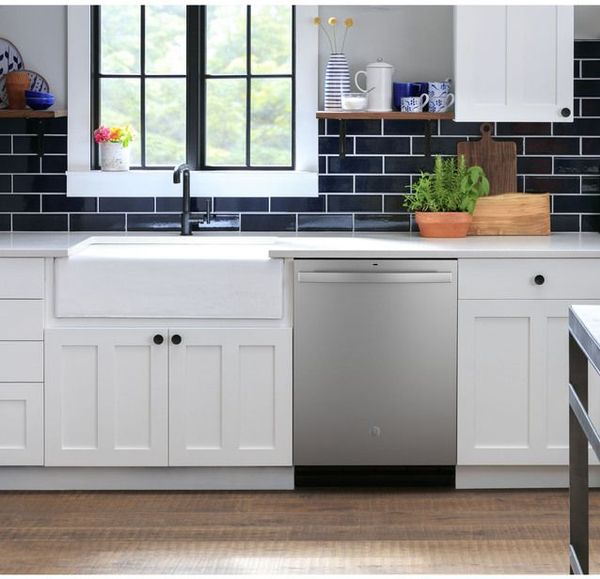
Dishwashers can clean a broad range of kitchen items, including cookware, utensils, plates, and glasses, streamlining your cleaning process.
Nonetheless, it’s important to recognize that not all kitchenware is suited for dishwasher cleaning. Introducing inappropriate items to the dishwasher may lead to damage from the appliance’s heat and water exposure. The dishwasher safe symbol is the manufacturer telling you, in one small stamped icon, whether an item can survive that environment. Use this guide to identify if your item can be safely washed in the dishwasher.
Transform Your Dishwashing Routine
Elevate your dish cleaning game with top-of-the-line dishwashers. Shop at East Coast Appliance now and make dishwashing a breeze.
What Is the Symbol for Dishwasher Safe?
When you buy different pots, pans, plates, and cookware, you will notice that some items have different symbols placed on them – usually on the bottom, back, or side.
These tableware symbols tell users whether the item can be placed in the dishwasher, microwave, or freezer. The goal of these symbols is to tell people how to care for their cookware, so it doesn’t get damaged. They are universally used across most items.
The dishwasher safe symbol is a square with two circular plates inside and lines running across it. The dishwasher symbol is meant to resemble the plates inside the appliance, indicating that the item is safe to clean in the dishwasher.
You also might notice a similar symbol that only has lines running halfway across. This indicates that the item can be cleaned in the dishwasher but should only be placed on the top rack.
Why There Isn’t Just One Dishwasher Safe Symbol
Here is the part that trips most people up: there is no single legally mandated icon. Manufacturers use several visual conventions that all mean the same thing, and the design varies by brand and country of origin. The four you will encounter most often are a square containing two plates, a square containing a plate and a glass, an upright or inverted wine glass with water droplets falling on it, and a single plate in a rack with droplets above it.
All four communicate the same message. If you see dishes or glassware being rained on inside a box, the manufacturer is telling you the item is dishwasher safe. What actually changes the instruction is the detail: diagonal lines that stop halfway, a number, or an X.
Every Tableware Symbol Explained
Cookware and tableware carry a whole family of care icons, not just the dishwasher one. Here is what each marking means and what you should do with it.
| Symbol | What It Looks Like | What It Means | What to Do |
|---|---|---|---|
| Dishwasher Safe | A square with plates or a plate and glass inside, with lines or droplets running across | The item survives full heat, detergent, and spray pressure | Load on either rack |
| Top Rack Only | The same square, but the lines run only halfway across | Safe from water, but not from the heating element at the bottom | Top rack only, and skip heated dry |
| Not Dishwasher Safe | The dishwasher square with an X struck through it | Heat, detergent, or pressure will damage this item | Hand wash only |
| Glass and Water Droplets | An upright or inverted wine glass with droplets falling on it | An alternate dishwasher safe marking, common on glassware | Treat as dishwasher safe |
| Food Safe | A wine glass beside a fork | Made from materials approved for food contact | Safe to serve from; says nothing about washing |
| Microwave Safe | A dish with wavy lines above it, or wavy lines alone | Will not warp, melt, or spark in a microwave | Microwave freely; check separately for dishwasher safety |
| Freezer Safe | A single snowflake | Withstands sub-freezing storage without cracking | Safe for long-term freezer storage |
| Oven Safe | A square outline of an oven, sometimes with a temperature | Tolerates dry oven heat up to the stated limit | Stay under the listed temperature |
| Temperature Range | A thermometer or a pair of minimum and maximum numbers | The full range the material tolerates | Useful for judging freezer and oven use |
| Induction Compatible | A coiled spring or looped wire | The base is magnetic and works on induction cooktops | Unrelated to dishwashing |
The distinction worth memorizing is between food safe and dishwasher safe. A wine glass and fork icon confirms an item is safe to eat from, which people routinely misread as permission to run it through a cycle. They are separate ratings and an item can carry one without the other.
The Risk of Washing a Non-Dishwasher Safe Dish
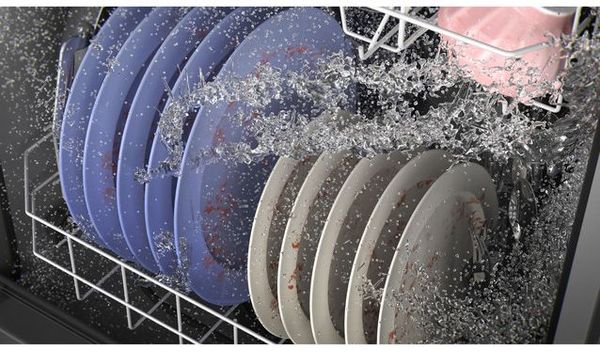
If you can’t find a symbol for dishwasher safe and still run it anyway, you risk damaging or destroying it. Dishwashers use extremely high temperatures and a mixture of water and steam to clean your cookware.
Some plastics cannot withstand this heat and will melt. Not only will you lose the plastic container, but you might have melted plastic bits strewn throughout your appliance.
Ignoring the not dishwasher safe symbol, which looks like a dishwasher with an X over it, can damage your cookware in other ways.
Detergent can be harsh on your plates because it is meant to scrub grime and stains away. You could lose the paint or designs on your favorite items due to this harsh cleaning method. People often ask, “Can china go in the dishwasher?” While it technically can, your favorite items will look worn and faded over time.
The Four Forces That Cause the Damage
Understanding what actually goes wrong inside the tub makes the symbols much easier to interpret on your own.
- Sustained heat: A dishwasher holds high temperatures for the length of the cycle, and sanitize modes push higher still. Thin plastics soften and warp, wooden handles dry out and split, and adhesives holding knife handles or pot grips give way.
- Alkaline detergent: Dishwasher detergent is far more caustic than dish soap. It strips seasoning off cast iron, pits and discolors aluminum, tarnishes copper and brass, and lifts painted or hand-applied decoration off ceramics.
- Spray pressure: Jets hit dishes hard enough to knock lightweight items loose mid-cycle. Thin crystal and fine china chip against neighboring pieces, and anything that flips over collects water instead of draining.
- Mineral etching: Hot water plus detergent plus hard minerals permanently clouds glassware. Etching is not a film you can scrub off later—the glass surface itself has been eaten away, and it is the single most common irreversible dishwasher damage.
One of the challenges of deciding what can and can’t go in the dishwasher is that not every item will immediately break during the first cycle. You can run items in the dishwasher for years and only notice how worn they are until they become unusable. Handwashing is often preferred for special items that people want to last for decades.
What Can Go in a Dishwasher?
Not every item will have a dishwasher safe symbol, which means you will need to have a basic idea of what can and cannot get cleaned in this manner. Here are a few types of items that are usually considered dishwasher-safe:
- Ceramic and everyday china: Stoneware and glazed ceramic dishware handles heat, spray, and detergent without trouble as long as it carries the marking and has no metallic trim.
- Drinking glasses: Tempered everyday glassware is built for standard cycles. Thin, delicate, or leaded pieces are a different story.
- Harder plastic items: Rigid, thick-walled plastic is generally fine, but keep it on the top rack away from the heating element.
- Silicone utensils: Silicone tolerates dishwasher heat and detergent better than almost any other flexible material.
- Stainless steel: Bowls, measuring cups, flatware, and baking sheets all come through clean and undamaged.
- Glass and stoneware bakeware: Tempered baking dishes resist thermal stress and are safe when the manufacturer approves it.
When you consider what can go in a dishwasher, evaluate any part of an item that could melt or get worn during the cycle. For example, a pint glass that you bought from your favorite brewery is safe to run in the dishwasher, but the painted logo on the front might fade from the detergent over time.
Similarly, your antique ceramic casserole dishes could lose their unique designs. It might be safer to hand wash the items that are most important to you.
What Can’t Go in a Dishwasher?
If an item doesn’t have a dishwasher safe symbol, you will have to guess whether running it through this appliance is the best idea. Certain materials are not dishwasher safe and should be left out of every cycle. Here’s a quick dishwasher user guide to review what cannot be cleaned with this appliance:
- Can wooden spoons go in the dishwasher? Some can, but they might start to crack over time from the extreme heat. Wood swells, warps, and splits under sustained heat and humidity, so cutting boards and wooden handles belong in the sink.
- Can cast iron go in the dishwasher? Never. Detergent and high pressure strip away the seasoning oils the pan depends on, and bare iron rusts almost immediately. Follow this three-step process to hand-clean your cast iron cookware.
- Can nonstick pans go in the dishwasher? Yes, but the harsh cleaners and high temperatures might reduce the effectiveness of the non-stick coating over time. You will need to replace your pans more frequently.
- Can china go in the dishwasher? Some fine china can be cleaned in the dishwasher. However, if the items are considered high-value, it is safer to wash them by hand. Anything with gold, silver, or platinum trim should never go in—detergent strips metallic decoration permanently.
- Can sharp knives go in the dishwasher? Yes, but be careful when loading and removing them. Chef’s knives and other quality blades dull faster and can nick against racks, so hand washing extends their edge considerably.
- Can aluminum go in the dishwasher? No. Dishwasher detergent reacts with aluminum and leaves a dull, chalky discoloration that never fully comes off.
- Can copper and brass go in the dishwasher? No. Both pit and discolor under alkaline detergent, and copper loses its finish in a single cycle.
- Can crystal go in the dishwasher? No. Leaded and delicate crystal clouds, yellows, and etches permanently, and thin stems chip easily under spray pressure.
- Can insulated tumblers go in the dishwasher? Only if explicitly marked. Water and heat can breach the vacuum seal on double-walled bottles and tumblers, and once the insulation fails the item is done.
→ Learn More: How to Use a Dishwasher More Efficiently
No Symbol on Your Dish? How to Decide
Plenty of items arrive with no marking at all, or the marking wears off after a few years of use. Work through this checklist before you commit an unmarked piece to a cycle.
- Identify the material first: Material is the single best predictor. Stainless steel, silicone, tempered glass, and glazed ceramic are almost always fine. Wood, cast iron, aluminum, copper, and crystal almost never are.
- Look for mixed materials: A stainless pot with a wooden handle, or a plastic lid with a silicone gasket, is only as dishwasher safe as its weakest component. Glued joints are especially vulnerable to sustained heat.
- Check for decoration: Any hand-painted design, gold rim, decal, or printed logo will fade over repeated cycles even when the underlying material is perfectly safe.
- Search the model online: Most manufacturers publish care instructions, and a quick search for the brand and item name usually settles it in under a minute.
- Default to the top rack: If you decide to risk it, the top rack sits farthest from the heating element and receives gentler spray. Pair it with a light or delicate cycle and turn off heated dry.
- When in doubt, hand wash: The cost of hand washing an item that would have been fine is two minutes. The cost of machine washing one that wasn’t is the item.
A well-stocked cabinet helps too. The right dishwasher rack accessories hold stemware and odd-shaped pieces steady so they don’t knock against each other, and a gentler dishwasher detergent reduces the fading and etching that ruin decorated pieces over time.
Dishwasher vs. Hand Washing
Machine washing gets a bad reputation among people protective of their kitchenware, and some of that reputation is deserved. Most of it is not. Here is the honest comparison.
Pros
Uses Far Less Water
A modern dishwasher uses a fraction of the water a running tap consumes over the same load, which shows up on both the water and heating bills.
Sanitizes Properly
A sanitize cycle reaches temperatures your hands could never tolerate at the sink, which genuinely matters for cutting boards and baby items.
More Consistent Results
Soil sensors measure how dirty the load actually is and adjust the cycle, so results don’t depend on how tired you are at the end of the night.
Gentler Than Scrubbing
For anything marked dishwasher safe, a machine cycle is less abrasive than an aggressive sponge and causes less surface scratching over years of use.
Cons
Strips Finishes and Seasoning
Alkaline detergent removes cast iron seasoning, dulls aluminum, and tarnishes copper and brass in ways no amount of hand washing would.
Etches Glassware Permanently
Hard water, heat, and detergent combine to cloud glass. Once etching happens the damage is in the surface itself and cannot be reversed.
Fades Decoration Over Time
Painted logos, hand-applied designs, and metallic trim all wear away gradually, often without you noticing until the piece looks tired.
Unforgiving of Loading Mistakes
An item that flips mid-cycle, nests against another piece, or blocks a spray arm comes out dirty, chipped, or full of standing water.
Top Dishwashers That Care for Your Dishes
Knowing what symbol means dishwasher safe is only the first way to protect your dishes. You can also invest in a high-quality dishwasher that will protect your dishes with each wash. Here are a few options with delicate cycles that can safely clean any item with a dishwasher safe symbol:
GE 24" Fingerprint Resistant Stainless Steel Built-In Dishwasher
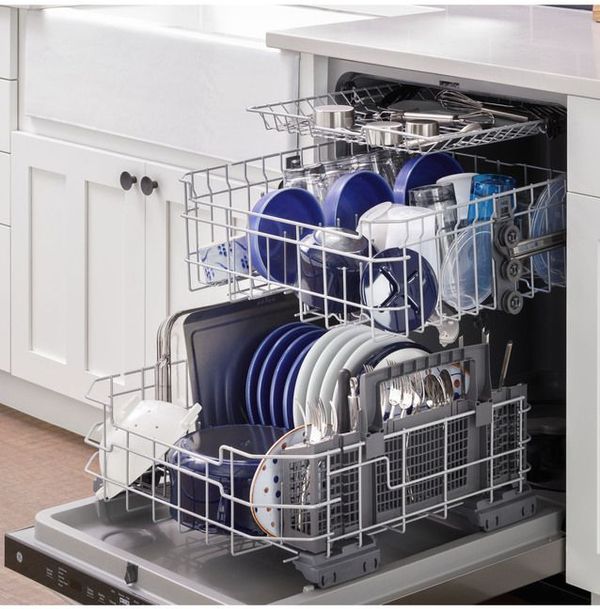
Shop the GE 24" Built In Dishwasher
This is a great GE dishwasher if you want a reliable product that has a good reputation. It comes with bottle jets that are perfect for cleaning baby bottles and the water bottles you bring to the gym.
For protecting marked-but-fragile items, the useful features here are AutoSense soil detection, which dials the cycle back when the load is light, and an adjustable upper rack that gives stemware and tall bottles room to sit without touching. The included Sanitize cycle covers cutting boards and baby gear when you need real disinfection.
⭐ Featured GE GDT630PYRFS Review
“We love this dishwasher! Dishes come out clean and without spots. It looks nice and is very quiet. We love the extra shelf for things like lids and flat utensils.”
LG 24" PrintProof Stainless Steel Built-In Dishwasher
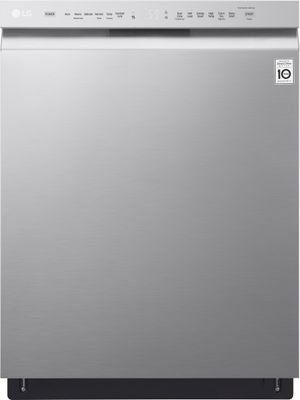
Shop the LG 24" Built In Dishwasher
LG is known for adding advanced technological elements to its appliances and this LG dishwasher is no exception. It is known for its QuadWash™ system that uses four spray arms instead of two. This gets your dishes clean the first time, so there’s no double washing.
Of the models on this list, this one has the most directly relevant feature for delicate loads: a dedicated Delicate cycle among its nine programs. Paired with the EasyRack Plus system, which adjusts to three heights for stemware, it gives you a genuine low-intensity option rather than just a shorter version of the normal cycle.
⭐ Featured LG LDF5545SS Review
“Best dishwasher I have ever owned. Very roomy. Fits even large items.”
Whirlpool 24" Fingerprint Resistant Stainless Steel Built-In Dishwasher
Shop the Whirlpool 24" Built In Dishwasher
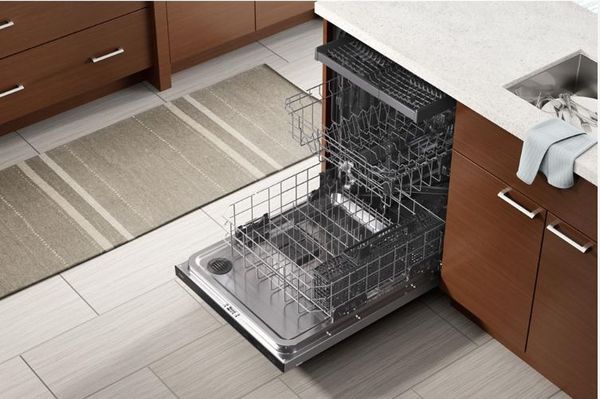
This dishwasher by Whirlpool is another basic option that has a few bonus features you can enjoy. It has a soil sensor that determines how dirty your dishes are and adjusts the power levels accordingly. This gets the grime off on the first try.
The collapsible tines and adjustable second rack matter more than they sound for dish protection. Most chipping happens because pieces are wedged against each other, and being able to reshape the rack around what you’re actually washing is what prevents it. Heated dry is optional here, so you can leave it off for anything marked top rack only.
⭐ Featured Whirlpool WDT750SAKZ Review
“I am so happy with this Dishwasher, it is super quiet and cleans very well. I would not have expected this high quality at this price point.”
Thermador Star Sapphire 24" Stainless Steel Top Control Built-In Dishwasher
Shop the Thermador Star Sapphire Built In Dishwasher
If the items you worry about are the ones without a dishwasher safe symbol—fine crystal, wine glasses, heirloom stemware—this Thermador dishwasher is built specifically for that problem, and it is the most capable machine on this list for delicate loads.
Three features do the work. Crystal Protect is a built-in water softener that removes the dissolved minerals responsible for etching, which addresses the one form of glassware damage that cannot be undone. Zone Control lets you run a gentler intensity in one section of the tub while another section handles heavily soiled cookware, so a single load doesn’t force a compromise. A folding glass care rack holds up to 18 wine glasses steady and separated, eliminating the knocking that chips thin stems.
It also uses StarDry™ with Zeolite, a mineral that releases heat as it absorbs moisture, so dishes dry thoroughly without the sustained high heat that warps plastics and loosens glued handles. At 42 dBA it is quiet enough to run overnight. This is a premium machine at a premium price, and it earns it if your cabinet holds pieces you would be genuinely upset to lose.
→ Learn More: 3 Best Dishwasher Brands vs 2 Dishwasher Brands to Avoid
Shopping a specific configuration? Compare built-in dishwashers against top control dishwashers and front control dishwashers, or look at portable dishwashers and drawer dishwashers if a standard 24-inch built-in won’t fit your space.
Know the Symbol Before You Start Cleaning
Once you know what is the symbol for dishwasher safe, you can look for it on your pots and pans. You can also look for more niche markings, like the dishwasher safe symbol for glass, which tells you where the glassware should be placed. This can help you protect your cookware for years.
To shop for dishwashers in your area, visit East Coast Appliance. We have a wide selection of top-quality appliances you will love. Stop by today and see why East Coast Appliance is the best place to shop for dishwashers in the Virginia area.
Frequently Asked Questions about the Dishwasher Safe Symbol
Most commonly it is a square containing two plates or a plate and a glass, with lines or water droplets running across them to represent spray inside the appliance. Some manufacturers instead use an upright or inverted wine glass with droplets falling on it. All of these variations mean the same thing: the item can be cleaned in a dishwasher.
Look on the bottom of plates, bowls, and mugs, on the underside or back of cookware, and along the base or side of plastic containers. On knives and utensils it is often printed on the handle. On some items it appears only on the original packaging, which is why the marking seems to disappear once you throw the box away.
Top rack only is shown by the same dishwasher square with the lines running just halfway across. It means the item tolerates water and detergent but not proximity to the heating element at the bottom of the tub. Keep those pieces on the upper rack and turn off heated dry, since the residual heat during the dry phase is what warps them.
It is the standard dishwasher square with an X struck through it. Some manufacturers use a hand in a basin of water instead, indicating hand wash only. Either marking means heat, detergent, or spray pressure will damage the item, and there is no cycle setting that makes it safe.
No, and confusing the two is one of the most common mistakes. The food safe symbol—a wine glass beside a fork—only confirms the material is approved for contact with food. It says nothing about whether the item survives a wash cycle. An item can be food safe and still be destroyed by a dishwasher.
Judge it by material. Stainless steel, silicone, tempered glass, and glazed ceramic are usually safe. Wood, cast iron, aluminum, copper, brass, and crystal are not. Watch for mixed materials and glued joints, since an item is only as dishwasher safe as its weakest component. When you genuinely can’t tell, hand wash it.
There are two causes and they need different fixes. Hard water mineral deposits sit on the surface and can be removed with a rinse aid or a vinegar soak. Etching is different—the glass surface itself has been eaten away by heat, detergent, and soft water combined, and it is permanent. If a cloudy glass doesn’t clear after a vinegar soak, it has been etched.
No. Gold, silver, and platinum banding is applied to the surface rather than fired deep into the glaze, so dishwasher detergent lifts it off. The damage is gradual, which is what makes it dangerous—the trim dulls a little each cycle until one day the pattern is simply gone. Metallic-trimmed china is hand wash only, regardless of what the rest of the piece is made of.
No. The marking means the item won’t be immediately damaged, not that it is immune to gradual wear. Printed logos fade, plastics cloud, and finishes dull over hundreds of cycles even on properly marked items. For pieces with sentimental or high replacement value, hand washing still extends their life meaningfully.
Choose a delicate, light, or china cycle if your machine offers one, turn off heated dry, and use the top rack. Machines with soil sensors help by reducing intensity automatically on lightly soiled loads, and models with a built-in water softener or low-heat drying technology reduce etching and warping further.
Why Trust East Coast Appliance?
Locally owned and operated since 1988, East Coast Appliance is the largest independent appliance dealer in Virginia. We sell it ALL — from new name-brand appliances to scratch-and-dent appliances to our very own refurbished appliances. Aside from our huge selection of every major brand and everyday low prices, what sets us apart from our competitors is that we service what we sell and that we are locally owned and operated with factory-trained associates. And if you’re local, great news: East Coast Appliance is committed to providing the absolute lowest prices on the same available brand and model — simply bring in the ad of the local retail competitor while the lower price is in effect and you’ll receive your price match.
Shop Dishwashers at East Coast
There is a reason we are dubbed “The Discount King” — for unbeatable deals, shop dishwashers online at East Coast Appliance. Our friendly associates are always happy to help you understand the dishwasher safe symbol and more, whether you call us or use our online chat feature. Better yet, stop by one of our showrooms to see why we are the best appliance store in Virginia. Visit us today!
Shop the Dishwasher Accessories
→ Learn More: Standard Dishwasher Dimensions - Size Guide