

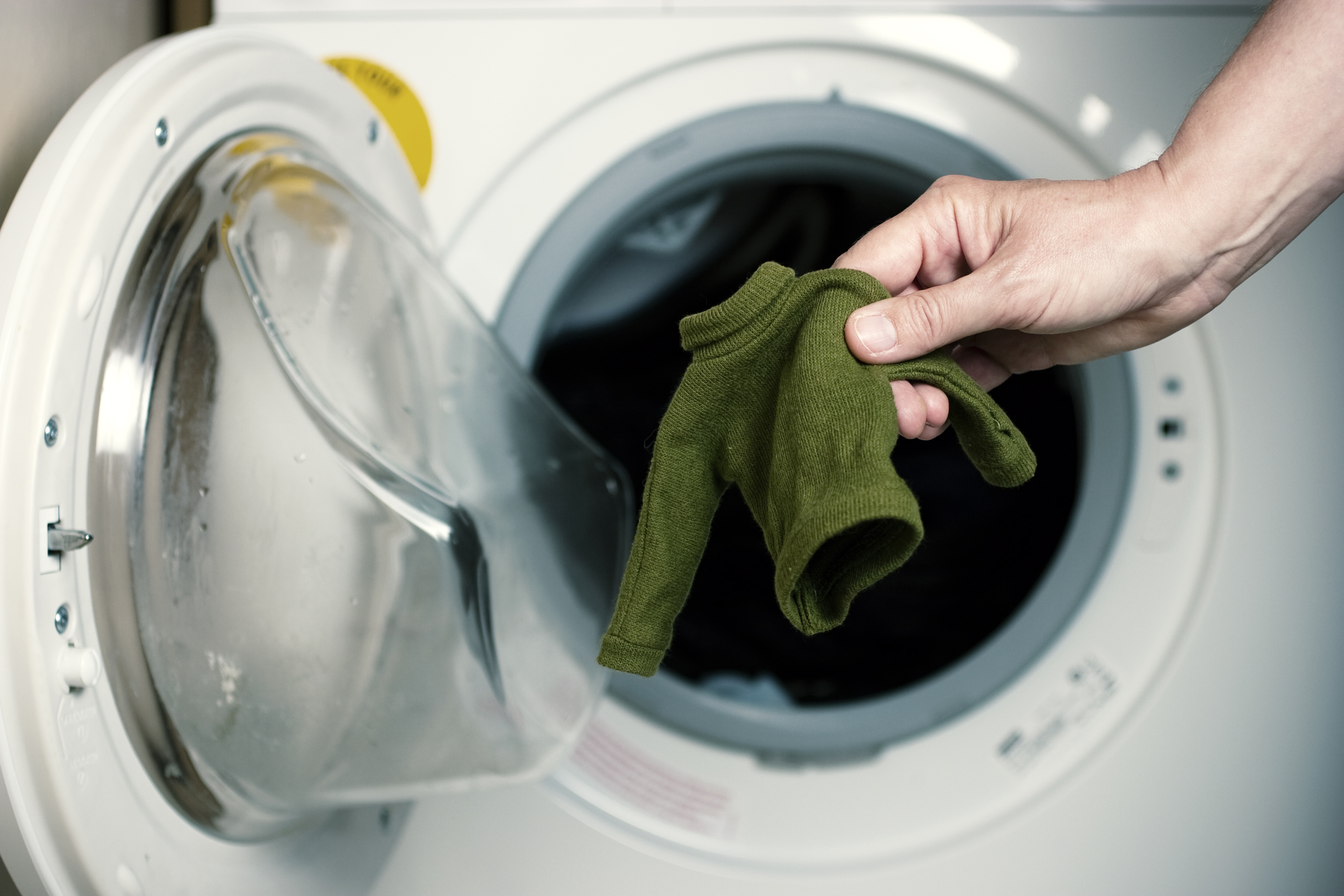
Countless homeowners know the anguish of pulling their favorite shirt or sweater out of the dryer and discovering the worst—it shrank. For a long time, hot water settings have been to blame, but does hot water shrink clothes? Sometimes yes. Sometimes no. The trick lies in learning how to use a washer and fabric care symbols the right way to protect your garments for years to come.
The honest answer is that hot water is rarely the whole story. Shrinkage is the result of three separate forces—heat, moisture, and agitation—working on fibers that were stretched during manufacturing. Understanding which of those three is damaging your clothes is what lets you fix the problem instead of guessing at dial settings. Our experts explain everything below in this washer user guide.
Discover the Best Washer Deals
For the latest washers that care for your clothes, explore our selection at East Coast Appliance.
Does Hot Water Shrink Clothes?
Yes, hot water can shrink clothes—but it is almost never acting alone. There are several reasons why your clothes might shrink, and both the washer and the dryer can be the cause of this damage. However, one of the main sources of stress for garments is high heat. Does hot water shrink clothes? Oftentimes, yes. If not, the issue lies with the high heat in your dryer.
The fabrics that shrink in hot water are often made with natural fibers. This means your wool, silk, or cotton clothes are more likely to shrink. To offset this problem, some clothes retailers sell pre-shrunk garments made with these materials or use materials like polyester which are less sensitive.
The Three Ways Clothes Actually Shrink
Textile scientists separate shrinkage into three distinct mechanisms. Knowing which one you’re dealing with tells you exactly what to change.
- Relaxation shrinkage: Natural fibers are stretched under tension during manufacturing, and that tension stays locked in the fabric. Warm water and moisture release it, letting the fibers curl back to their natural length. This is the most common form of shrinkage and it accounts for at least a 1% size reduction on the first few washes. It also explains why a brand-new cotton tee shrinks and then stops.
- Felting shrinkage: This one is specific to wool and other animal fibers. Wool strands are covered in microscopic scales that swell open when wet and then ratchet together under agitation, permanently locking the fibers shorter. Felting is irreversible, which is why a shrunken wool sweater almost never comes back.
- Consolidation shrinkage: Purely mechanical. The tumbling and wringing action of the wash beats fibers back into their tangled resting state. This happens regardless of water temperature, which is why a cold wash on a violent cycle can still shrink a garment.
Synthetic fibers like polyester and nylon largely resist all three because their tightly packed, partly crystalline molecular structure holds the fibers in place. That’s the real reason a polyester blend survives a hot wash that destroys a cotton sweater.
The practical takeaway: if your clothes shrink in a cold wash, your problem is agitation or your dryer, not water temperature. If they shrink only on hot cycles, the water is the culprit.
Which Fabrics Shrink in Hot Water?
Not every fabric responds to heat the same way. Use this table to judge the risk before you choose a cycle.
| Fabric | Shrink Risk in Hot Water | Best Wash Temperature | Why It Behaves This Way |
|---|---|---|---|
| Cotton | High on first washes, then low | Warm to hot (105°–140°) | Relaxation shrinkage releases early, then the fabric stabilizes |
| Wool | Very high and permanent | Cold to warm (65°–85°) | Felting locks the scales together and cannot be reversed |
| Silk | High, with fiber damage | Cold only (60°–80°) | Protein fibers weaken and lose sheen under heat |
| Linen | Moderate to high | Cold to warm | A loose natural weave with significant built-in tension |
| Rayon and Viscose | High | Cold, hand wash preferred | Regenerated cellulose weakens dramatically when wet |
| Denim | Moderate, mostly in length | Cold to warm | Heavy cotton weave with heavy manufacturing tension |
| Polyester | Very low | Warm (85°–105°) | Crystalline synthetic structure resists fiber movement |
| Nylon and Spandex | Very low, but heat-sensitive | Cold to warm | Won’t shrink, but high heat degrades elasticity over time |
| Cotton-Poly Blends | Low to moderate | Warm | The synthetic content anchors the cotton fibers in place |
| Pre-Shrunk Cotton | Low | Warm to hot | Relaxation shrinkage was already forced out at the factory |
Is It Bad to Wash Clothes in Hot Water?
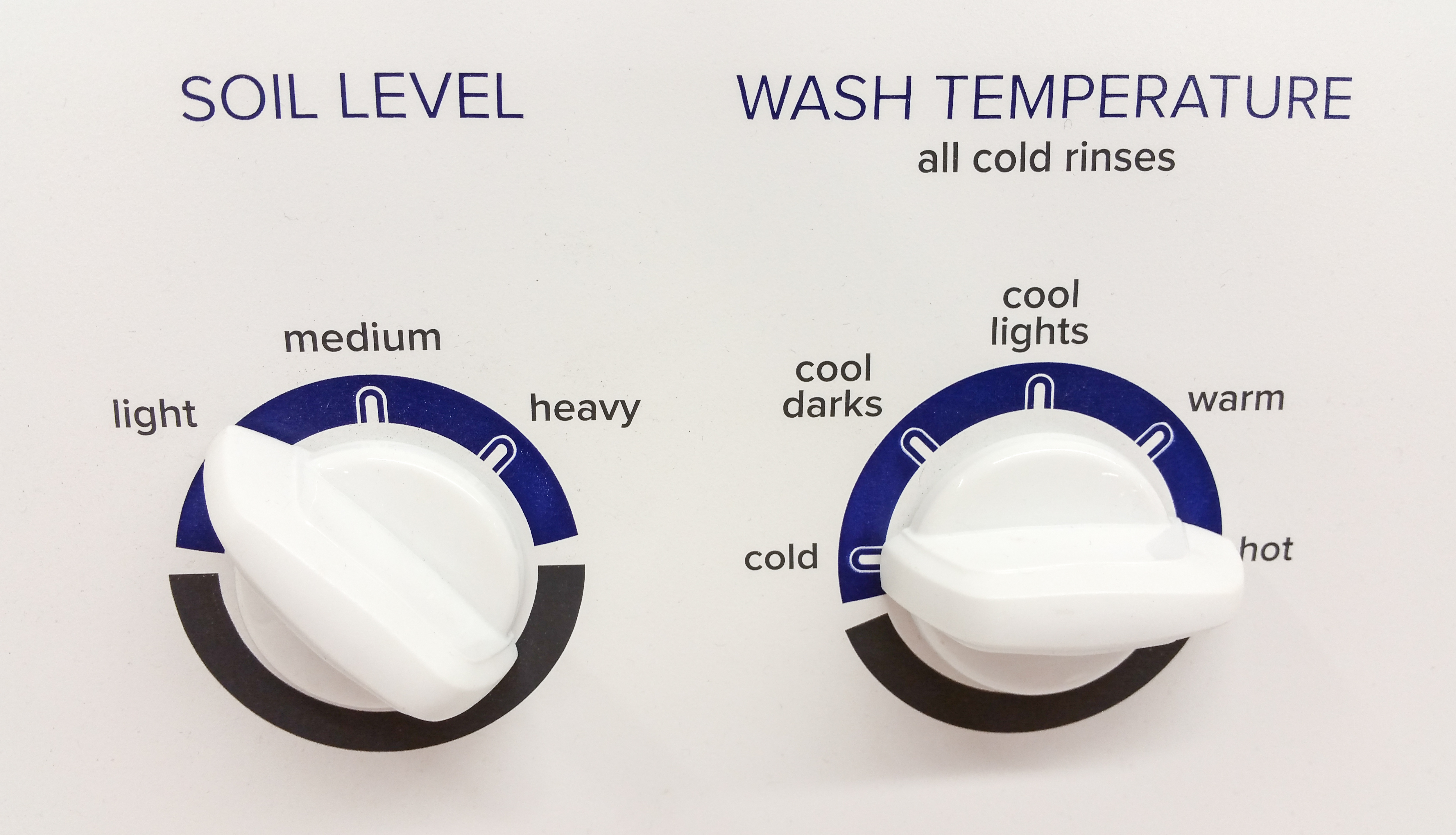
It’s important to know when to wash clothes in hot water so you can choose the right temperature based on your needs while protecting your garments.
While washing machine water temperature can contribute to shrinkage, it isn’t bad to use hot water when you are running a clothes cycle. Use these tips to know when to use hot water for laundry:
- When clothes are exposed to germs: Use hot water to kill bacteria if you are around sick individuals or a family member has fallen ill. Sanitizing generally requires water at 130°F or above.
- To sanitize baby items: New and veteran parents know to wash baby clothes in hot water to get a deeper clean that is germ-free.
- To wash durable fabrics: If you have polyester clothes and durable items like work uniforms, feel free to use hot water.
- When you are washing sheets and towels: Bedding, comforters, and pillowcases are less likely to shrink when washed with hot water. If the fabric tag says pre-shrunk, it’s safe to use the hottest wash temperature.
- When your detergent isn’t working: Certain laundry detergents respond better to hot temperatures. Read your detergent instructions to determine your best option, and browse our laundry detergents if you need a formula matched to cold-water cycles.
- To break down oil and grease: Body oils, cooking grease, and makeup dissolve far better in hot water. Cold cycles frequently leave these stains set into the fabric.
There is a floor to consider on the other end, too. Below roughly 60°F, virtually no detergent performs well, so an unheated cold cycle in an unheated winter laundry room can leave clothes genuinely dirty. As a general rule, the lower your water temperature, the more detergent your load needs.
While it might be instinctive to go for the hot water washing machine, opting for cold water can help you save energy while protecting your clothes in the long run. Heating water accounts for the large majority of the energy a washer uses, so a cold cycle is the single easiest way to cut your laundry energy bill.
What Temperature Should I Wash My Clothes?
Try washing your clothes in cold or warm water if you want to reduce your chances of shrinkage. This will tell you whether the issue is your washer or dryer settings. You can also experiment with different cycles. Compare how your clothes respond to hot water on a permanent press cycle versus other options on your washer. But ultimately, the fabric care tag on your clothes is the best way to tell which temperature is best for the material being washed.
→ Cotton: Hot washes are okay (105°–140°).
→ Polyester & Synthetic Materials: Warm washes are ideal (85°–105°).
→ Wool: Warm washes are okay; cold washes are better (65°–85°).
→ Silk & Delicates: Cooler wash temperatures only (60°–80°).
What Your Washer’s Settings Actually Mean
Dial labels are not standardized between brands, but the ranges below are close to universal and worth knowing before you pick a cycle.
- Cold (around 60°–80°F): Best for dark or bright colors that bleed, delicates, wool, silk, and anything you are worried about shrinking. Saves the most energy.
- Warm (around 90°–105°F): The safest everyday default. Handles man-made fibers, knits, and jeans with good cleaning power and little fading or shrinking.
- Hot (130°F and above): Reserved for whites, heavily soiled items, towels, bedding, and anything that needs sanitizing. This is the setting that shrinks clothes.
- Sanitize or Allergen (often 150°F+): A specialty cycle for illness, bedding, and allergen removal. Never use it on natural-fiber garments you care about.
One more setting worth changing: rinse in cold regardless of your wash temperature. A cold rinse reduces wrinkling, saves energy, and won’t set stains.
Hot vs. Cold Water Washing
Neither temperature is universally correct. Here is an honest look at what you gain and give up by reaching for the hot setting.
Pros
Kills Bacteria and Allergens
Water at 130°F and above sanitizes in a way cold cycles cannot, which matters for illness in the house, baby items, and bedding.
Dissolves Oil and Grease
Body oils, cooking grease, and makeup break down in heat. Cold water tends to leave these stains behind or set them permanently.
Activates More Detergents
Many powder and conventional formulas are engineered for warm or hot water and simply underperform on a cold cycle.
Handles Whites and Heavy Soil
Work uniforms, gardening clothes, towels, and white cottons come out visibly cleaner from a hot cycle.
Cons
Shrinks Natural Fibers
Cotton, wool, silk, linen, and rayon all react to heat. Wool in particular shrinks permanently through felting.
Fades Colors Faster
Heat loosens dye molecules, so darks and brights bleed and lose depth noticeably sooner than they would on cold.
Costs Meaningfully More
Heating the water is where nearly all of a washer’s energy goes. Switching routine loads to cold is the easiest laundry savings available.
Sets Protein Stains
Blood, egg, dairy, and sweat cook into fabric under heat. These belong in a cold wash, which is the opposite of most people’s instinct.
How to Prevent Clothes from Shrinking
Voila! Now the next time you’re wondering, “Does hot water shrink clothes,” you’ll be prepped with the right knowledge to care for your articles of clothing before they start washing. Unfortunately, shrinking can also happen outside of the washer. Follow these tips to reduce the chances of your favorite tee becoming mini.
✔ If you still need to wash your clothes in hot water for sanitization or detergent purposes, try to dry them at a cooler temperature. You can either air-dry clothes on clothes racks or choose a cooler, tumble-dry setting on your dryer.
✔ Another way to prevent shrinkage is to read the instructions that come with your clothes. Many symbols will align with the washer water temperature guide that comes with your appliance so you can connect the instructions with your settings. You might have to run more loads that are smaller instead of one big load, but your clothes will thank you.
✔ If you don’t know how to wash clothes in hot water, start by reading the user guide (many manufacturers supply digital copies; just locate the model number located on the inside of the door and search for it online). A hot water cycle on delicate settings will be less damaging than a cycle made for towels and gardening clothes. You can still use hot water, just be smart about it.
Beyond those three fundamentals, a handful of habits make the biggest difference over the life of a garment.
- Blame the dryer first: High dryer heat causes more shrinkage than hot water does, and it does it faster. If you change one thing, drop your dryer to low or tumble dry.
- Pull clothes out damp: Over-drying is where most damage happens. Remove garments while they still feel slightly cool and finish them on a rack.
- Use a delicates rack for knits: Sweaters and knitwear should be dried flat, never hung. A delicates drying rack keeps them in shape and out of the tumble entirely.
- Sort by fabric, not just color: Washing a wool sweater with a load of towels subjects it to the agitation those towels need and the sweater cannot survive.
- Choose gentler cycles: Consolidation shrinkage comes from agitation alone, so a lower spin speed and a delicate cycle protect clothes even in cold water.
- Don’t overload the drum: A packed washer forces garments to grind against each other, which accelerates both shrinkage and pilling.
- Turn garments inside out: This shields the outer face of the fabric from the worst of the friction and helps preserve color at the same time.
Can You Unshrink Clothes?
Sometimes—and it depends entirely on which of the three shrinkage mechanisms did the damage. Relaxation shrinkage can often be partially reversed. Felting shrinkage in wool essentially cannot.
For a cotton, cotton-blend, or denim item that has shrunk, it’s worth a try:
- Fill a basin with lukewarm water and add a tablespoon of baby shampoo or hair conditioner. Both relax fibers in a way detergent does not.
- Soak the garment for about 30 minutes, working the solution through the fabric with your hands.
- Do not rinse. Press the water out gently—never wring or twist, which reintroduces the agitation that caused the problem.
- Lay the item flat on a dry towel, roll the towel up to draw out more water, then unroll it.
- While it’s still damp, stretch the garment gently back toward its original dimensions and pin it in place on a flat drying surface.
- Let it air dry completely. Never put a garment you are trying to unshrink back into the dryer.
Set expectations accordingly. You may recover much of the loss on cotton, a little on a blend, and effectively none on a felted wool sweater. Prevention is dramatically more reliable than any recovery method.
How to Read Fabric Care Symbols
The care tag is the most reliable instruction you will ever get about a garment, and it’s written in a symbol language most people never learned. The wash symbol—a small tub of water—carries almost everything you need.
- Dots inside the tub: One dot means cold, two means warm, three means hot. More dots on the tub mean more permission to use heat.
- Numbers inside the tub: Some tags list a maximum temperature in Celsius instead of dots. 30°C is a cold wash, 40°C is warm, and 60°C or above is hot.
- A line under the tub: One line means permanent press, two lines mean delicate or gentle. These control agitation, which matters as much as temperature for shrinkage.
- A hand in the tub: Hand wash only. Machine agitation will damage this garment regardless of the water temperature you select.
- An X over the tub: Do not wash at home. This is a dry-clean-only item and water alone can ruin it.
- The square with a circle: This is the dryer symbol, and it follows the same dot system for heat. A filled-in circle means do not tumble dry at all.
If a tag has been cut out or worn away, default to cold water on a gentle cycle and air drying. You will never damage a garment by treating it more carefully than it needed.
Featured Washers That Care for Your Clothes
Does hot water shrink clothes if you have an outdated washer? Not always, but washers from even a decade ago are less efficient than today’s models, and that includes how they use hot water. That’s all to say that even if you follow the right rules to avoid accidentally shrinking your clothes, it could be for naught if the washer you’re doing loads in isn’t up-to-date on its technology.
The meaningful upgrade in modern machines is temperature precision. Older washers simply blended hot and cold supply lines and hoped for the best, so a “warm” setting could land anywhere. Current models use internal heaters, load sensing, and fabric detection to hold an actual target temperature, which is what protects natural fibers. If your washer is dated, here are our top laundry appliances on the market that will keep your wardrobe looking new.
LG 4.5 Cu. Ft. White Front Load Washer
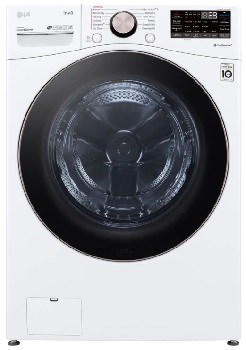
Technology is a core value of LG, which is reflected in this washer. This model’s main highlight is its AI Fabric Sensor, which identifies the types of materials that need to be cleaned so they are cared for. This reduces the chances of a harsh cycle shrinking your clothes, and best of all, if you have a compatible dryer, it sends that info over to ensure the drying cycle is also tailored to the type of fabrics being washed. With 4.5 cubic feet of capacity, users will get plenty of work done with this washer.
For anyone specifically worried about shrinkage, the standout feature is ColdWash technology, which drives cold water deep into fabrics to deliver warm-water cleaning results at cold-water temperatures. That is exactly the combination you want: real cleaning power without the heat that damages natural fibers.
⭐ Featured LG WM4000HWA Review
“Purchased the new LG machine to replace top loader that was damaging our clothes. We could not be more happy with the manufacturing quality of this machine. I was an aircraft mechanic before retirement and confirm the build quality as ready for flight!”
Electrolux 4.3 Cu. Ft. Titanium Front Load Washer
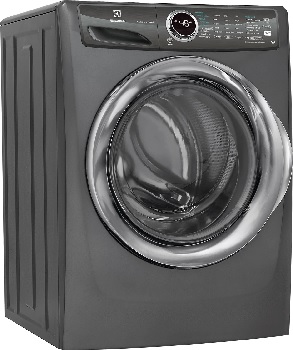
An impressive 96% of customers would recommend this Electrolux washer. This model uses proprietary Perfect Steam™ technology to remove tough stains without having to run your clothes through harsh cycles. You can also use the StainTreat™ option to remove set-in stains instead of washing your clothes multiple times. Featuring Electrolux’s signature LuxCare technology, it’s also one of few washers on the market that uses a hybrid of cold and hot water to enhance detergent for better stain-fighting performance.
That hybrid approach is the direct answer to the shrinkage problem. Instead of running an entire cycle hot to lift a stain, the machine applies heat selectively and keeps the bulk of the wash at a fiber-safe temperature.
⭐ Featured Electrolux EFLS527UTT Review
“We replaced our top-loading machine with this recent purchase and are absolutely satisfied…It operates quietly and efficiently, and the wash settings options are convenient for regular use for all kinds of loads. Our clothing comes out clean and smelling fresh.”
Samsung 4.5 Cu. Ft. White Front Load Washer
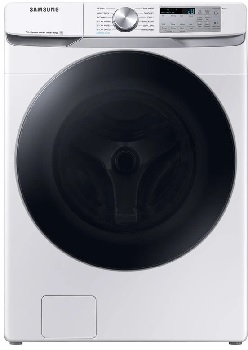
Samsung is another technology brand that is making waves in the laundry market. If you are just learning how different cycles work, check out the SmartThings App, which can walk you through your options so you choose the right settings. You can also set your washer cycles through your phone for greater convenience.
That guided-cycle approach is genuinely useful for shrinkage prevention. Rather than guessing whether a wool blend belongs on warm or cold, the app recommends a setting for the fabric you tell it you’re washing, which removes the judgment call that damages most garments.
⭐ Featured Samsung WF45B6300AW Review
“I purchased this washer in the summer of 2023 and have been very impressed by its cleaning ability and gentle settings. I would recommend this product.”
Shopping a different priority? If longevity matters more to you than smart features, Speed Queen builds the only residential washers in the industry engineered around a 25-year lifespan, with commercial-grade components and short cycle times that mean less time in hot water overall. They sit at a premium price point and are best understood as a buy-once decision rather than a value pick. You can also compare front load washers against top load washers, or look at complete front load laundry pairs if you’re replacing both machines.
Washers wear out over time, which means they will be harder on your clothes. Hot water alone might not be the cause of your shrinkage. After you ask yourself, “Does hot water shrink clothes?” ask a follow-up question: “Is my washer doing a good job?” If the answer is no, you need to visit East Coast Appliance. Visit the best place to shop for washers in the Virginia area. We have the largest selection and best prices in the state. We can make sure you take home a washer that doesn’t damage your clothes.
Frequently Asked Questions about Hot Water and Clothing Shrinkage
No. Hot water shrinks garments made from natural fibers like cotton, wool, silk, linen, and rayon, and it does the most damage on the first few washes. Polyester, nylon, and most synthetic blends resist shrinkage even at high temperatures because of their crystalline fiber structure. Pre-shrunk cotton has already had that tension removed at the factory and holds its size well.
The dryer is usually the bigger offender. High dryer heat combines intense temperature with continuous tumbling, hitting fibers with heat and agitation at the same time. If your clothes are shrinking even on cold wash cycles, your dryer settings are almost certainly the cause. Dropping to a low or tumble dry setting is the single most effective change most people can make.
Hot on most washers means 130°F or above, warm sits around 90°F to 105°F, and cold falls between roughly 60°F and 80°F. Dedicated sanitize cycles can exceed 150°F. Exact temperatures vary by brand and by whether your machine has an internal heater, so check your owner’s manual for your specific model.
Relaxation shrinkage typically accounts for at least 1% of a garment’s size, and untreated cotton can lose 3% to 5% across its first few hot washes. Wool is the outlier and can shrink far more dramatically through felting, sometimes losing a full size or more in a single hot cycle with heavy agitation.
Partially, and only for some fabrics. Soak the garment in lukewarm water with baby shampoo or hair conditioner for 30 minutes, press out the water without wringing, then gently stretch it back toward its original shape and pin it flat to air dry. This works reasonably well on cotton and denim. Felted wool is permanently changed and will not recover.
Cold water is the better default for most everyday loads. It protects colors, prevents shrinkage, and saves significant energy since heating water is where nearly all of a washer’s consumption goes. Reserve hot water for whites, towels, bedding, heavily soiled work clothes, baby items, and anything that needs sanitizing after illness.
Because temperature is only one of three causes. Consolidation shrinkage comes purely from mechanical agitation, so a high spin speed, an overloaded drum, or a heavy-duty cycle can shrink garments in cold water. Check your dryer settings as well, since heat applied after the wash produces the same result.
No. Untreated cotton does most of its shrinking in the first one to three washes as manufacturing tension releases, then stabilizes. That is why a new cotton tee shrinks noticeably and then holds its size for years. Pre-shrunk cotton skips most of this because the process was completed before the garment was sold.
The opposite. The lower your water temperature, the more detergent a load needs to clean effectively. Below roughly 60°F, essentially no detergent performs well, which is worth knowing if your laundry room runs cold in winter. Cold-water-specific formulas are engineered to work at those temperatures.
It helps considerably. Older washers blended hot and cold supply lines without precise control, so a warm setting could land almost anywhere. Modern machines hold an actual target temperature and add load sensing, fabric detection, and gentler wash motions. Combined with correct cycle selection, that removes most accidental shrinkage.
Why Trust East Coast Appliance?
Locally owned and operated since 1988, East Coast Appliance is the largest independent appliance dealer in Virginia. We sell it ALL — from new name-brand appliances to scratch-and-dent appliances to our very own refurbished appliances. Aside from our huge selection of every major brand and everyday low prices, what sets us apart from our competitors is that we service what we sell and that we are locally owned and operated with factory-trained associates. And if you’re local, great news: East Coast Appliance is committed to providing the absolute lowest prices on the same available brand and model — simply bring in the ad of the local retail competitor while the lower price is in effect and you’ll receive your price match.
Shop The Latest Washers at East Coast
There is a reason we are dubbed “The Discount King” — for unbeatable deals, shop laundry appliances online at East Coast Appliance. Our friendly associates are always happy to help you, whether you call us or use our online chat feature. Better yet, stop by one of our showrooms to see why we are the best appliance store in Virginia. Visit us today!
Learn More: A Complete Guide to Washing Machine Cycles & Settings