

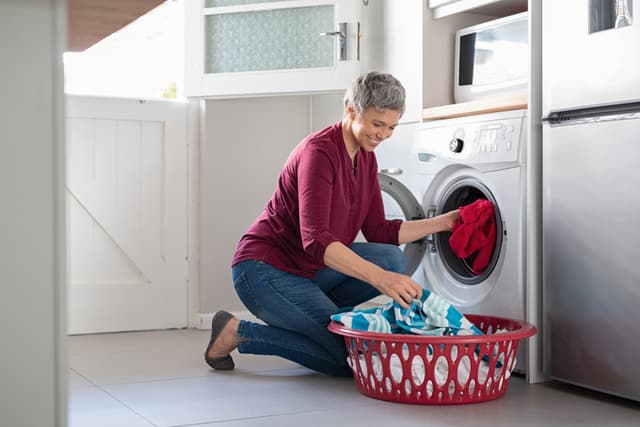
You pull a favorite button-down out of the dryer and it comes out looking like it lost a fight. The collar is creased in three directions, the color has gone a shade flatter than it was six months ago, and the fabric feels stiffer than it should. Nothing about how you washed it seemed wrong, because you did what most of us do: loaded everything, hit Normal, and walked away.
Normal is not a universal setting. Knowing how to wash and dry your clothes on the right cycle is the difference between a shirt that lasts two years and one that lasts five. Our laundry experts at East Coast Appliance put this guide together to explain exactly what the permanent press cycle does on both machines, when it helps, when it actively hurts, and how it compares to the Normal and Delicate settings sitting right next to it on the dial.
Discover Washer & Dryer Deals
East Coast Appliance has the best washer and dryer selection to keep your wardrobe looking new. Explore the top brands today.
Shop Laundry AppliancesKey Takeaways
- Warm Wash, Cold Rinse: The washer setting pairs a warm wash around 85 to 105°F with a cold rinse and a slower final spin.
- Medium Dryer Heat: The dryer setting uses medium heat plus a cool-down phase so creases never get a chance to set.
- Best for Synthetics: Rayon, nylon, spandex, polyester, and anything you would rather not iron belong on this cycle.
- Skip It for Heavy Loads: Towels, bedding, jeans, whites, and heavily soiled items need Normal or a sanitize cycle instead.
What Does Permanent Press Mean?
Originally, "permanently pressed" described clothes that had been chemically treated at the factory to resist wrinkling and hold their shape. The technique took off in the 1950s, and as it spread, washer and dryer manufacturers added a dedicated cycle designed specifically for those garments.
The chemical treatments have changed since then, but the cycle stuck around because the problem did not go away. Today permanent press is a staple on nearly every washer and dryer sold, and it is one of the most useful settings on the machine for protecting clothes prone to wrinkling, color fading, shrinking, and stretching.
What the Permanent Press Cycle Does on Your Washer
Sometimes labeled Casual or Wrinkle Control depending on the brand, the permanent press wash cycle combines warm water during the wash phase with cold water during the rinse. It typically runs around 30 minutes with noticeably gentler agitation than Normal or Heavy Duty.
The part most people overlook is the final spin. It runs slower than Normal, which keeps the weight of the wet clothes from pressing hard against each other and the drum wall. That pressure is what creates the deep-set creases you find waiting for you when the cycle ends, so reducing it does more for wrinkle prevention than the water temperature does.
What the Permanent Press Cycle Does on Your Dryer
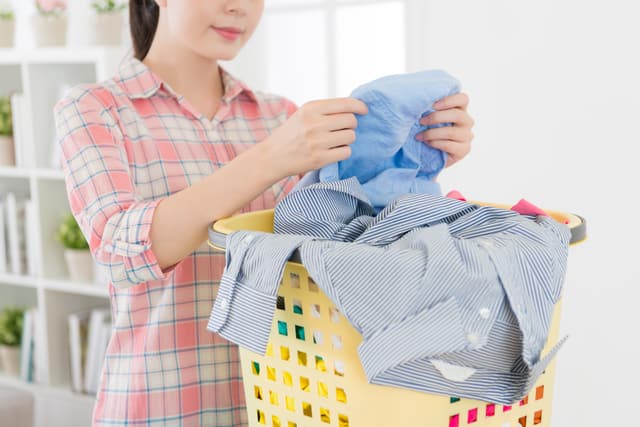
The permanent press dryer cycle runs on medium heat rather than high, which is gentler on fabric and gives wrinkles far less opportunity to form and set.
Depending on brand and model, many permanent press dryer cycles also include a cool-down period at the end. This matters more than it sounds. Clothes pulled hot from a dryer and folded immediately hold whatever creases they were sitting in, because the fibers set as they cool. A gradual transition from warm to cool lets them relax first.
That same gentle transition also reduces the chance of shrinking, since it is sustained high heat that pulls natural fibers tight.
Read more:
Permanent Press Versus Normal and Delicate Head-to-Head Comparison
| Feature | Permanent Press | Normal | Delicate |
|---|---|---|---|
| Wash Temperature | Warm wash around 85 to 105°F with a cold rinse. | Hot wash between 120 and 140°F. | Cool to cold throughout the entire cycle. |
| Agitation | Hybrid action: moderate speed, then low speed. | Fast, aggressive agitation to lift heavy soil. | Slow agitation from start to finish. |
| Final Spin | Slower spin so wet fabric does not compress into creases. | Fastest spin for maximum water extraction. | Very low spin to protect fragile fibers. |
| Dryer Heat | Medium heat with a cool-down phase at the end. | High heat and the fastest drum speed. | Low heat or air-dry only. |
| Best For | Synthetics, work shirts, and anything you would rather not iron. | Towels, bedding, jeans, whites, and heavily soiled loads. | Lace, wool, silk, and loosely knitted materials. |
Permanent Press vs Delicate Cycle
The permanent press setting is gentle, but some items need more than gentle. Lace, wools, and loosely knitted materials are better served by the Delicate cycle, and as always the care label is the final word.
Temperature is the first difference. Permanent press uses medium-temperature water and air, while Delicate stays cool to cold specifically so fragile fibers do not fray or lose their shape.
The spin mechanics differ too. Clothes on permanent press go through a hybrid agitation process, moderate speed followed by low speed. On Delicate, the drum stays slow the entire way through, which extracts less water but puts almost no mechanical stress on the fabric.
Permanent Press vs Normal Cycle
Normal, sometimes labeled Regular or Heavy depending on the brand, is built for everyday fabrics that can take a beating and do not need special handling.
A Normal wash uses fast agitation and hot water between 120 and 140°F to drive out real dirt from items in daily use. A Normal dryer cycle runs the hottest and spins the fastest, which makes it the right pick for whites and heavy loads that need genuine sanitization.
Permanent press is deliberately milder on both counts, washing between roughly 85 and 105°F and tumbling more softly so folds and wrinkles never develop in the first place. The tradeoff is real: you get better fabric care and worse stain removal.
The Pros and Cons of the Permanent Press Cycle
Permanent press protects your clothes, but that protection comes at the cost of cleaning power. Understanding both sides tells you which loads belong on this setting and which ones do not.
Pros
Less Fading
Warm rather than hot wash water helps keep colors from washing out over time.
Fewer Wrinkles
The slower final spin and medium dryer heat stop creases from forming and setting.
Lower Running Cost
A cold rinse and a no-heat cool-down phase both cut energy use per load.
Less Pilling and Shrinking
Shorter run time and gentler heat reduce surface pilling and fiber shrinkage.
Cons
Weak on Heavy Soil
Gentle agitation and cooler water leave ground-in dirt and grease behind.
No Real Sanitizing
Temperatures never get high enough to sanitize whites, towels, or bedding.
Wetter Loads
The slower spin leaves more water in the fabric, so drying takes longer.
Too Rough for Delicates
Lace, wool, and silk still need the Delicate cycle, not this one.
When Should I Use the Permanent Press Cycle?
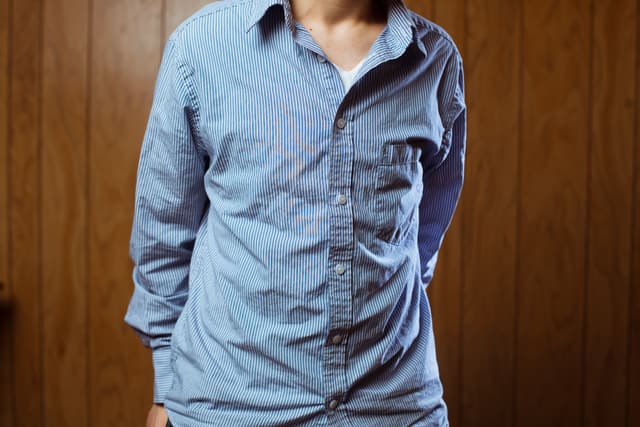
Permanent press is versatile, giving you a gentle wash or dry that protects clothing from shrinking, fading, and creasing. But that gentleness is ineffective on some loads and genuinely counterproductive on others. Use this as your sorting rule.
When to Use Permanent Press
- The Care Label Says So: Look for permanent press or tumble dry printed on the tag.
- Synthetic Fabrics: Rayon, nylon, spandex, and polyester all respond well to medium heat.
- Clothes You Cannot Iron: Garments where heat-pressing is not an option benefit most from wrinkle prevention.
- Brightly Colored Items: Warm water rather than hot helps rich colors hold their saturation.
- Moderately Soiled Loads: Everyday wear with no real staining is exactly this cycle's territory.
When Not to Use Permanent Press
- Heavy-Duty Items: Towels, bedding, and jeans need the agitation and heat of a Normal cycle.
- True Delicates: Lace, silk, wool, and loose knits belong on the Delicate cycle instead.
- Heavily Soiled Loads: Gentle agitation will not lift ground-in dirt, grease, or mud.
- Anything Needing Sanitizing: Whites, cloth diapers, and sickroom laundry require hot water.
Top Recommended Washers and Dryers for Fabric Care
Getting the most out of permanent press depends partly on the machine. Units with steam cycles, accurate moisture sensing, and true wrinkle-prevention tumbling do far more for your wardrobe than a basic timer-based dryer ever could. Explore our current selection below, or ask our team which pairing fits your laundry room and budget.
What to Look For
- Steam Refresh Cycles: Vapor relaxes fibers and drops wrinkles that permanent press alone cannot reach.
- Moisture Sensing: Sensors stop the dryer at the right moment instead of overheating fabric on a fixed timer.
- Wrinkle Prevent Tumbling: Periodic tumbling after the cycle ends keeps clothes loose until you unload them.
- Variable Spin Speeds: More spin options let you dial in exactly how much water to extract per load.
Getting the Most From Your Laundry Cycles

Choosing the right cycle is the cheapest wardrobe upgrade available to you. Permanent press handles the middle ground that Normal treats too harshly and Delicate treats too gently, which describes most of what hangs in a closet. Read the tag, sort by fabric weight rather than color alone, and unload the dryer promptly.
If your current washer or dryer does not give you the cycle options you need, our team at East Coast Appliance can help. Visit us today, online or in one of our showrooms, and we will match you with a pairing that fits your laundry and your budget.
Read more:
- Pros & Cons of Front Load Washers
- How to Prevent Your Clothes From Fading
- A Guide to Buying Laundry Appliances Online
Frequently Asked Questions About Permanent Press
It is a cycle designed to prevent wrinkles rather than remove heavy soil. On the washer it pairs a warm wash with a cold rinse and a slower final spin. On the dryer it uses medium heat, often followed by a cool-down phase so creases do not set as the fabric cools.
A permanent press wash cycle averages around 30 minutes, which is shorter than a Normal cycle. The exact length varies by brand, model, and load size, and dryer times depend on how much water the slower spin left behind.
No. Permanent press uses medium-temperature water and air with hybrid agitation that shifts from moderate to low speed. Delicate stays cool throughout and keeps the drum slow the entire cycle, which is what fragile items like lace, silk, and wool require.
You can, but you should not expect good results. Heavy items need the faster agitation, hotter water, and stronger spin of a Normal or Heavy Duty cycle to come out genuinely clean and to shed enough water to dry efficiently.
Both, at different stages. The wash phase runs warm at roughly 85 to 105°F, and the rinse phase runs cold. That combination cleans reasonably well while protecting colors and keeping energy use lower than a fully hot cycle.
Overloading is the usual culprit, since packed clothes cannot tumble freely enough to release creases. Leaving the load sitting in the drum after the cycle ends is the other common cause. Unload promptly and keep the drum no more than about three-quarters full.
Care labels often use the two terms interchangeably, and on most dryers selecting permanent press is the correct response to a tumble dry instruction. Check whether your label specifies a heat level, since tumble dry low should be matched to a low-heat setting rather than medium.
Why Trust East Coast Appliance?
Locally owned and operated since 1988, East Coast Appliance is the largest independent appliance dealer in Virginia. We sell it ALL, from new name-brand appliances to scratch-and-dent appliances to our own refurbished units. Beyond a huge selection of every major brand and everyday low prices, what sets us apart is that we service what we sell, with factory-trained associates who work on these machines every day.
If you are local, here is the best part: East Coast Appliance is committed to the absolute lowest price on the same available brand and model. Bring in a local competitor's ad while the lower price is in effect and you will receive your price match.
Shop Laundry Appliances at East Coast Appliance
There is a reason we are dubbed "The Discount King." For unbeatable deals, shop laundry appliances online at East Coast Appliance. Our friendly associates are always happy to help you understand what the permanent press cycle is and when to use it, whether you call us or use our online chat feature. Better yet, stop by one of our showrooms to see why we are the best appliance store in Virginia. Visit us today!